

Interesting Bee Facts You Need To Know

Fascinating Ways Bees Live, Communicate, and Support Our Food System
Bees are extraordinary. From the way they fly and “buzz”, to their intricate social roles and famous waggle dance, these tiny pollinators keep much of our food system ticking. Here’s a simple, science-aware look at what makes them so special — and practical ways you can help them thrive at home.
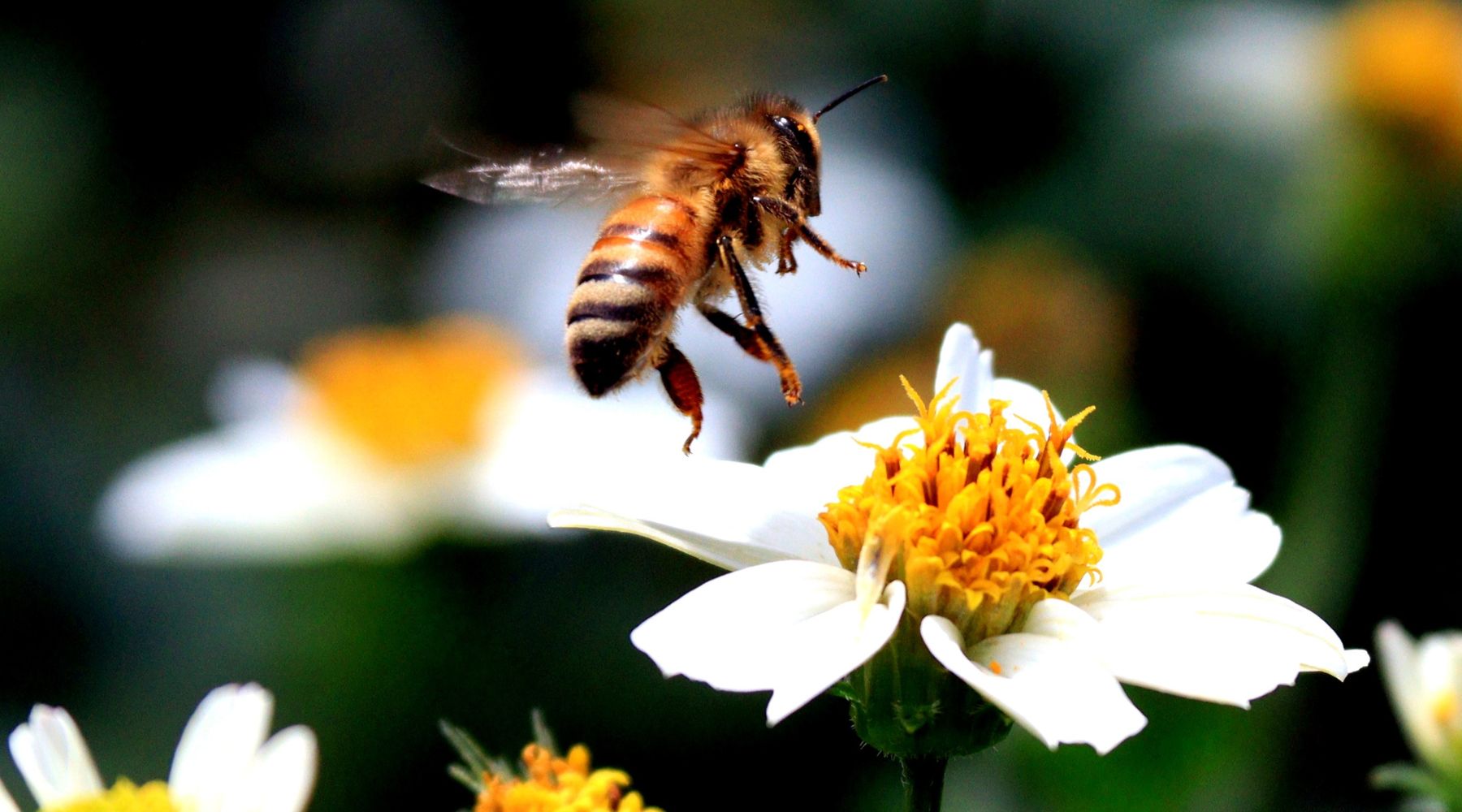
That Signature Buzz (and Impressive Flight)
The buzzing you hear is simply wings beating very fast — fast enough to create that familiar hum. Agile flyers, bees can reach around 25 km/h in short bursts and make countless trips between flowers and the hive each day.

Honey: Nature’s Long-Loved Pantry Staple
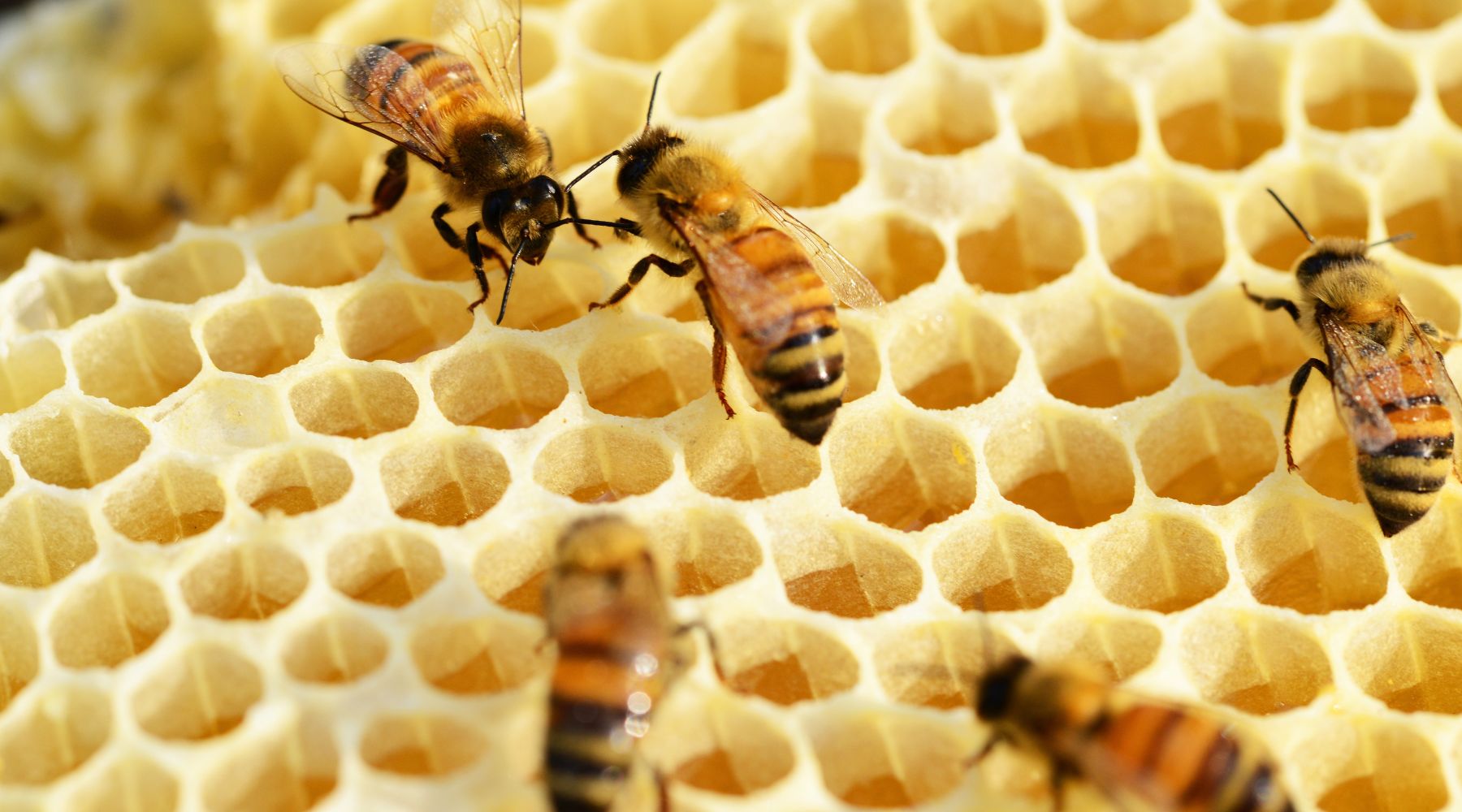
Bees are the only insects that make food humans commonly eat. Honey is a concentrated plant nectar, carefully evaporated and stored in comb for the colony.
Traditionally, honey has also been used topically on minor cuts and burns thanks to its naturally low moisture and acidity.
Inside the Hive: Workers, Drones, and a Queen
Worker Bees
Workers are all female. They forage for nectar and pollen, build and repair comb, feed young bees, guard the entrance, and use their wings to help regulate hive temperature.
Drones
Drones are males. Their primary role is to mate with a queen from another colony. As resources tighten (often in winter), drones are typically pushed out so the colony can conserve stores.
The Queen
The queen can live for years and lays the eggs that become the next generation of bees. If a queen is failing or lost, workers can raise a new queen by feeding selected larvae a special, nutrient-rich diet known as royal jelly.
Super Senses: How Bees Smell and Communicate
Bees use their antennae to detect scents and chemical signals, which is how they recognise floral sources, identify hive mates, and coordinate tasks. Drones also use scent to locate queens during mating flights.
The Waggle Dance (Yes, It’s Real)
When a forager discovers a rich source of nectar or pollen, she returns to the hive and performs the “waggle dance.” The angle and duration of the dance communicate the direction and approximate distance of the food source relative to the sun — a remarkable form of GPS, long before satellites.
Bees and Our Food
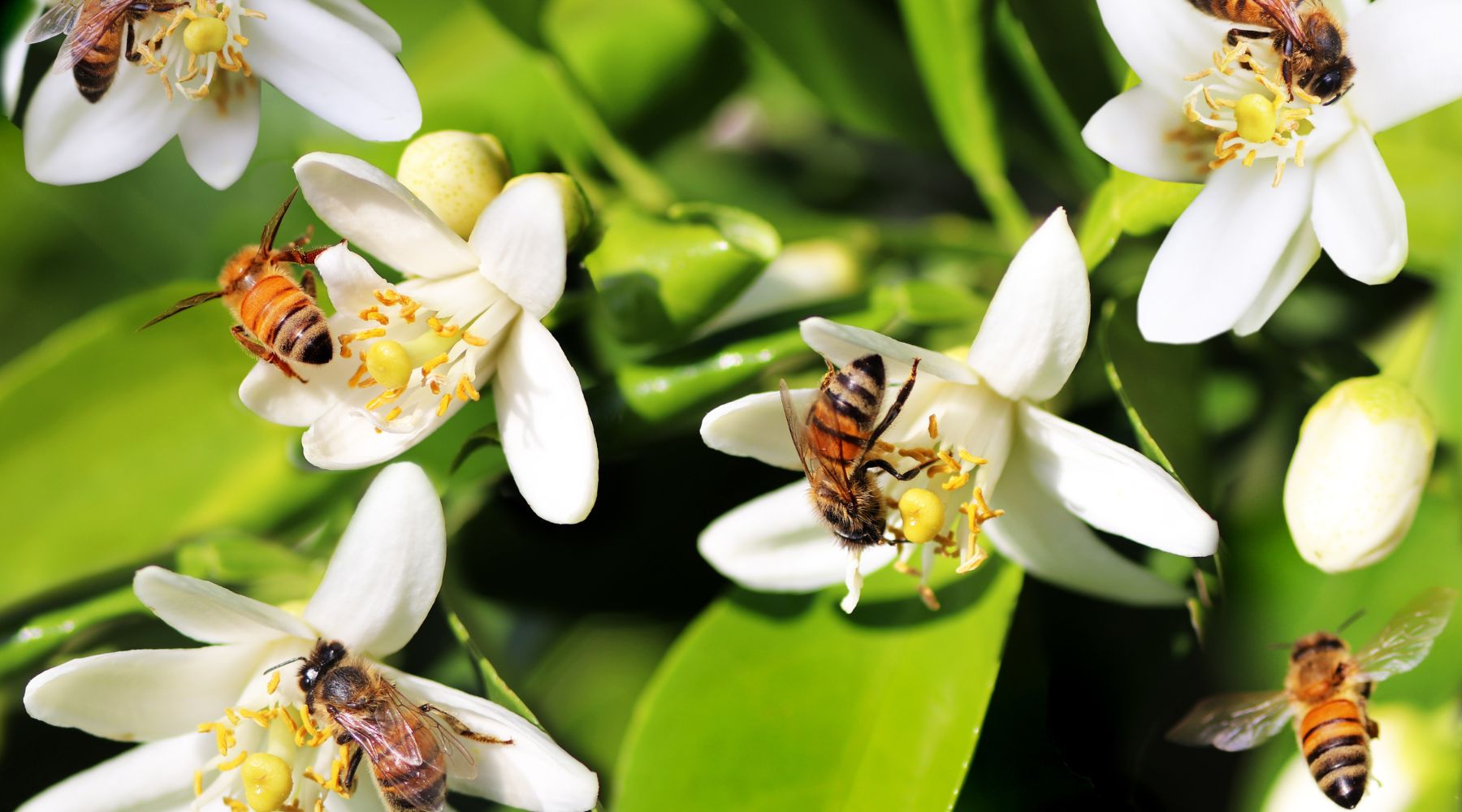
Bees are among our most effective pollinators, helping many fruit, nut, and vegetable crops set seed and fruit. Healthy bee populations support biodiversity and more resilient ecosystems.
How You Can Help Bees (Simple, Local Actions)
- Plant for pollinators: Choose nectar- and pollen-rich options and stagger flowering times through the seasons. Great Australian picks include lavender, grevillea, bottlebrush, tea tree, rosemary, native daisies, and westringia.
- Avoid harsh chemicals: Skip broad-spectrum pesticides, especially when plants are in flower. Look for softer, targeted controls if needed.
- Provide water: A shallow saucer with pebbles gives bees a safe place to drink.
- Leave some “wild”: Small areas of untidy garden can offer shelter and forage.
Have a favourite bee fact of your own? Share it in the comments — we’d love to hear it.