

5 of the Best Australian Native Plants for a Bee-Friendly Garden

Want to Create a Buzzing, Bee-Friendly Garden?
Bees are essential pollinators that keep plants thriving and our ecosystems healthy. With bee populations under pressure worldwide, creating a garden that supports them is one of the simplest and most rewarding things we can do.
By avoiding chemical pesticides and planting nectar-rich native flowers, you can build a safe, nourishing haven for both honeybees and native Australian bees — right in your own backyard.
1. Jelly Bush (Leptospermum spp.)
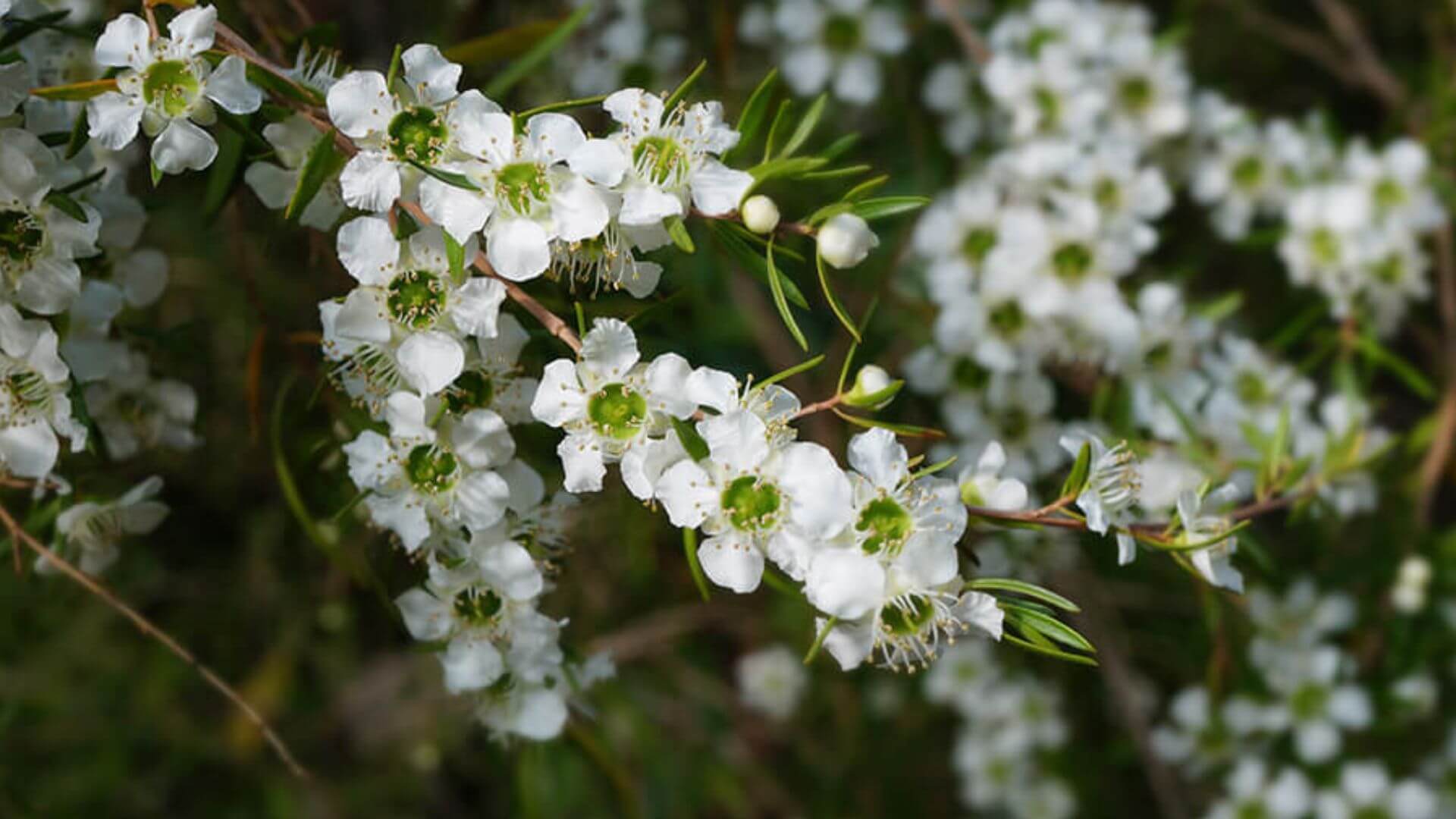
The Jelly Bush — also known as Honey Bush — is a hardy native shrub that thrives in tough conditions and attracts bees in abundance with its nectar-rich white blooms.
- Growth & Care: Sun-loving and drought-resistant, Jelly Bush prefers well-drained soil and can reach up to 3 metres tall.
- Flowering Season: In spring it bursts into masses of small white flowers that draw in bees, butterflies, and other pollinators.
- Best Use: Ideal for hedging, screening, or as a feature shrub in a low-maintenance garden.
Did you know? Jelly Bush honey is prized for its antibacterial properties, much like New Zealand’s famous Manuka honey.
2. Gorse Bitter Pea (Daviesia ulicifolia)

Looking for a hardy native that supports pollinators and enriches your soil? The Gorse Bitter Pea ticks every box.
- Why Bees Love It: Its pollen-rich flowers attract honeybees, native bees, and butterflies.
- Eco Bonus: As a nitrogen-fixing plant, it naturally improves soil health — perfect for sustainable gardening.
- Growth & Care: Thrives in poor, well-drained soils and needs minimal water once established.
This resilient shrub is perfect for a low-maintenance, environmentally friendly bee garden.
3. Grevillea – A Bee & Bird Magnet

One of Australia’s most iconic flowering shrubs, Grevillea is loved by bees and birds alike for its spectacular nectar-filled blooms.
- Pollinator Favourite: Provides a rich, year-round food source for both native bees and honeybees.
- Indigenous Significance: Grevillea nectar was traditionally enjoyed by First Nations people, sipped straight from the flowers or mixed with water for a sweet drink.
- Hardy & Low-Care: Drought-tolerant and thriving in poor soils, it’s a reliable performer in most Australian gardens.
With its vibrant colour and ecological benefits, Grevillea is a must-have for any pollinator-friendly garden.
4. Hardenbergia violacea (Happy Wanderer)
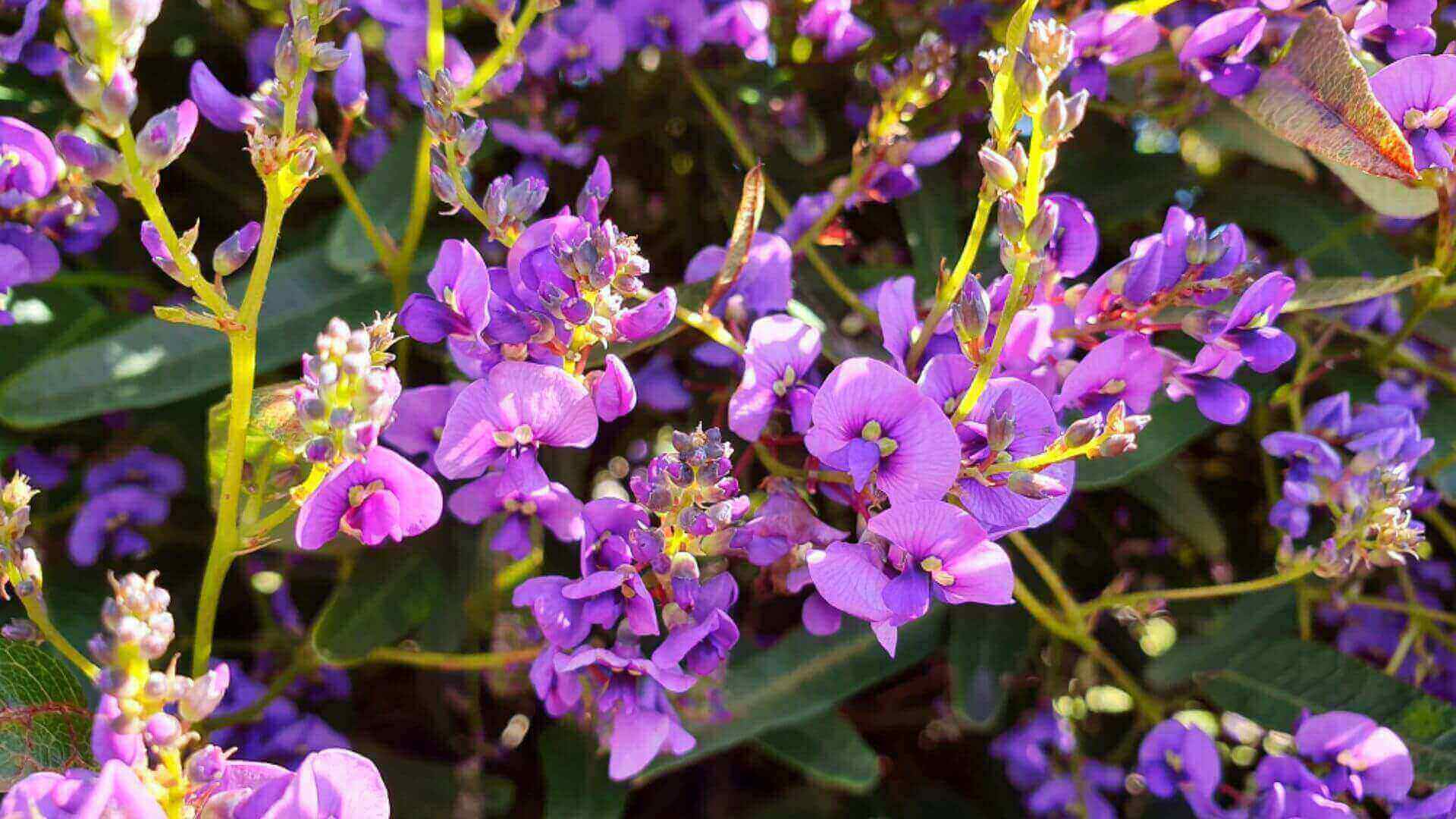
The Happy Wanderer is a fast-growing, evergreen climber that brings a pop of purple to fences and trellises while providing abundant forage for bees.
- Bee-Friendly Blooms: Its vivid purple flowers attract honeybees, native bees, and butterflies.
- Easy to Grow: Propagates readily from seeds or cuttings and can trail as ground cover or climb for screening.
- Adaptable & Tough: Drought-tolerant, frost-resistant, and happy in most soil types.
This cheerful vine adds colour, cover, and biodiversity with almost no effort.
5. Westringia fruticosa (Coastal Rosemary)
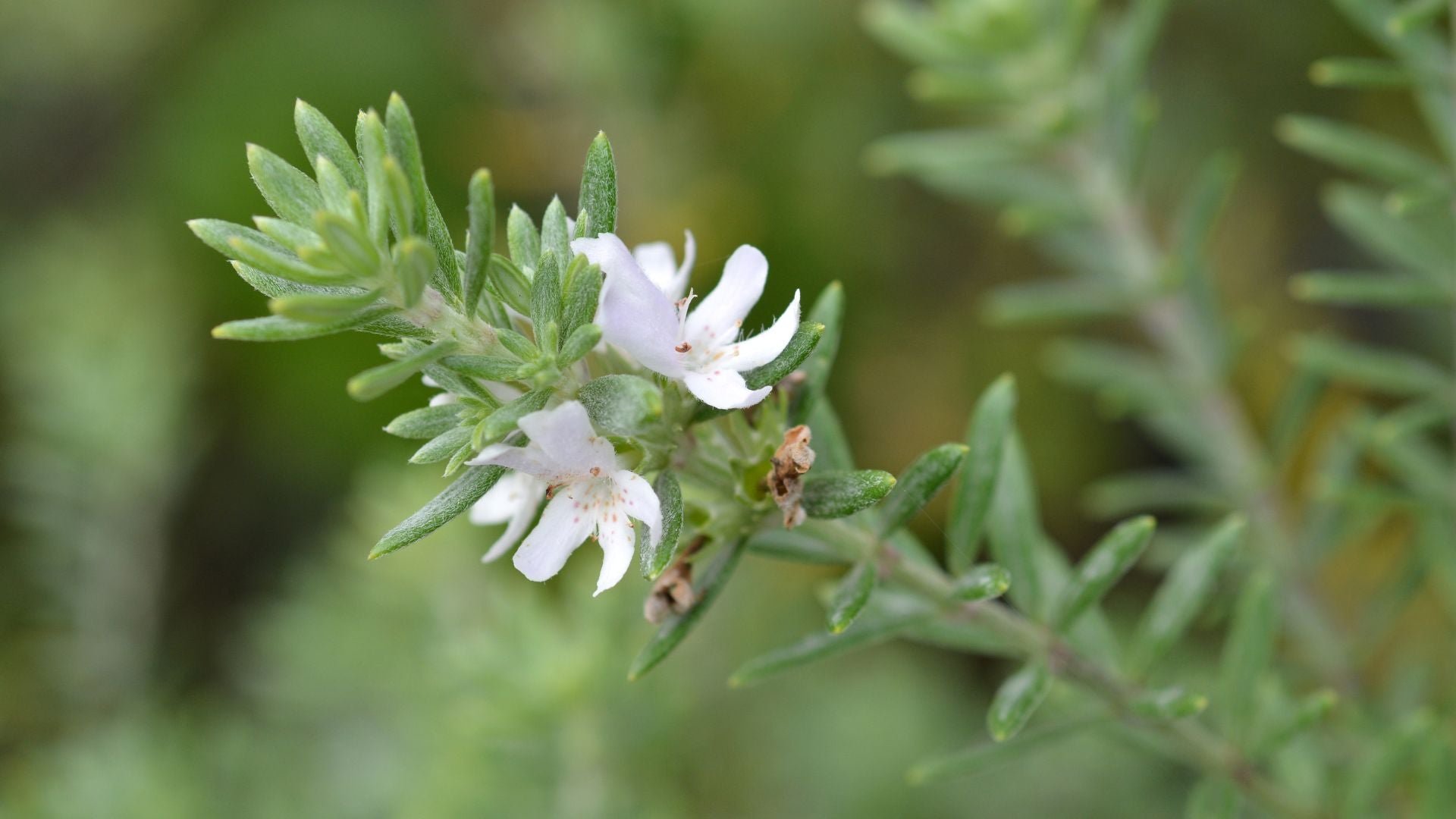
For a resilient native that thrives in coastal conditions and flowers year-round, Westringia fruticosa — or Coastal Rosemary — is a garden essential.
- Bee-Approved Blooms: Its soft white-to-lavender flowers provide a steady nectar source through every season.
- Resilient & Reliable: Highly drought-tolerant, salt-resistant, and ideal for coastal or inland gardens alike.
- Low-Maintenance Design: Works beautifully as a hedge, topiary, or informal shrub for native landscapes.
Planting for Pollinators
Building a bee-friendly garden is about more than beauty — it’s a small act of conservation. Each native plant you grow offers food, shelter, and safety for pollinators that keep our ecosystems in balance.
Support Sustainable Beekeeping

At Blossom & Hive, we champion sustainable beekeeping by working with trusted local beekeepers who share our respect for bees and the environment. Every jar of honey and block of pure beeswax reflects that partnership between people, pollinators, and place.
Even small steps — avoiding pesticides, planting bee-friendly natives, or buying from ethical beekeepers — help keep these vital species thriving.